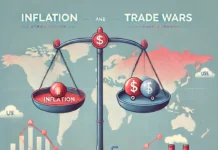

President Donald Trump announced plans to impose new tariffs on a range of imported goods, including cars, semiconductors, pharmaceuticals, and lumber, over the coming month. This move is part of his ongoing effort to reduce the US trade deficit, stimulate domestic manufacturing, and leverage tariffs as a negotiating tool in international trade relations.
Trump has already initiated numerous tariffs since taking office, targeting both broad categories of goods and specific sectors, regions, or countries. His administration argues that these tariffs are necessary to protect American jobs and businesses from unfair competition.
Trump claims his tariff policies are already yielding positive results, citing conversations with major corporations who are considering bringing their manufacturing back to the US due to the economic incentives created by his policies. He argues that companies will be incentivized to manufacture goods domestically to avoid the added costs associated with tariffs.
A key aspect of Trump’s tariff strategy involves imposing “reciprocal” tariffs on imports from countries that impose high tariffs on American goods. He specifically highlighted India’s high tariffs on automobiles, stating that he plans to implement matching tariffs on Indian imports.
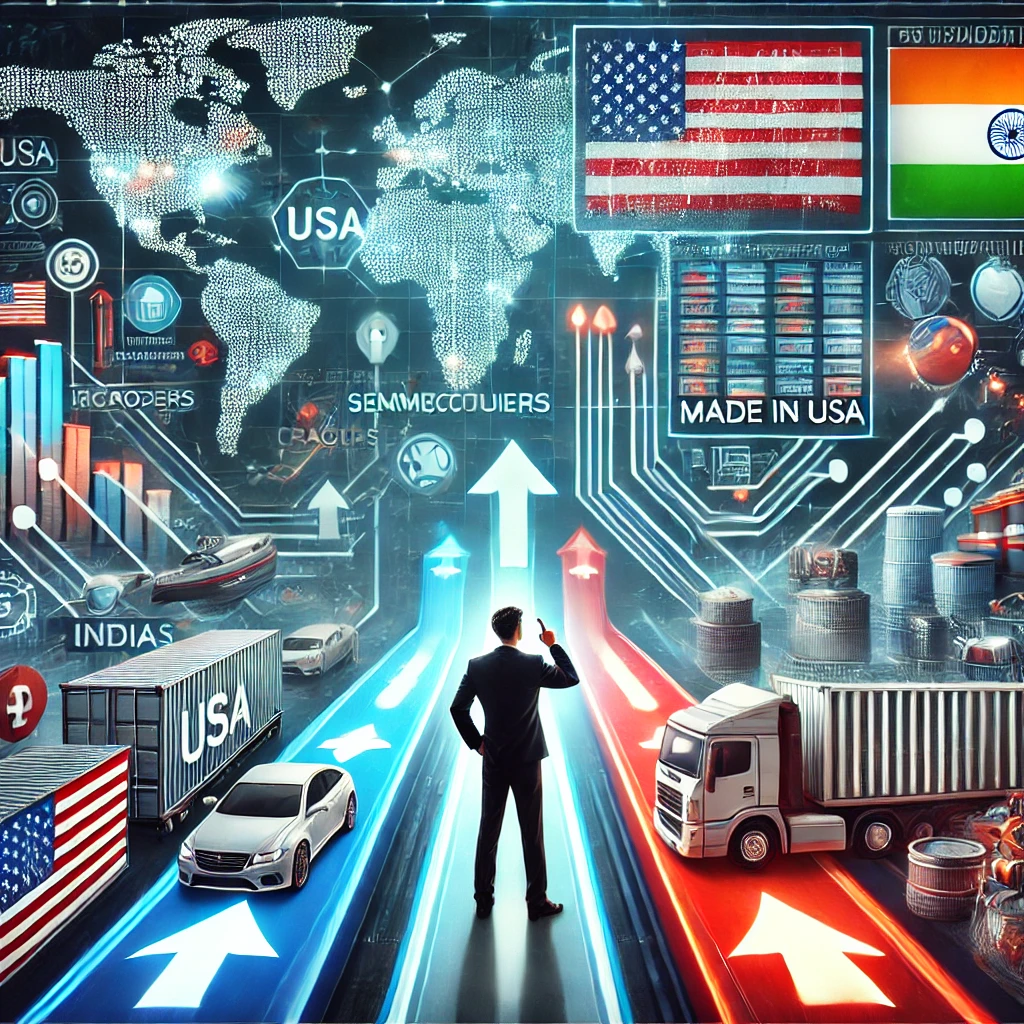
Trump’s approach has sparked controversy and concern from businesses and international partners. Critics argue that tariffs can lead to higher prices for consumers, harm domestic industries that rely on imported materials, and escalate trade wars with other nations.
The potential impact of these new tariffs on the global economy remains to be seen. However, Trump’s aggressive stance on trade policy is likely to continue shaping international relations and trade dynamics in the coming months.